
.png)
.png)


Harela: Celebrating Life, Nature, and Hope
Every year, as the first monsoon showers arrive in Uttarakhand, homes across the region prepare for a festival that is far more than a seasonal celebration. Harela, marked by the sowing of seeds and the sharing of blessings, carries within it generations of knowledge about living in harmony with nature. For the agrarian communities of Kumaun and parts of Garhwal, this understanding was never taught through environmental campaigns or policy documents. It was woven into everyday life, where healthy soil meant healthy people. The festival reflects a worldview in which nature is not separate from human life but an essential part of it. It marks the beginning of a new farming season while celebrating renewal, prosperity, and the inseparable bond between humans and the natural world.

photo credits: jiya kathayat
The celebration begins ten days before Harela, when people sow seeds of various grains like wheat, barley, maize, sesame, and paddy on leaves of a timal tree or in an earthen container with faith and a quiet hope for a better tomorrow. Watered daily, these seeds sprout into tender green shoots, symbolising fertility, abundance, hope, and the continuity of life. Their growth reflects the community's faith in nature's regenerative power and reminds people that prosperity begins with healthy soil and a nurturing environment.

photo credits: 'Waste and We' team of Shining Stars School, Ramnagar, Uttarakhand
On the day of Harela, the green shoots are first offered to deities as an expression of gratitude for nature's blessings. Elders then place these sacred shoots on the heads and behind the ears of family members while offering heartfelt blessings. One of the traditional blessings is sung as follows:
Original (Kumaoni):
जी रया, जागि रया, यो दिन-बार बेटन रया। दुबक्या जस जड़ है जाओ, पात-पात फैल जाओ।स्याव जसि बुद्धि हो, स्यूँ जसो बल हो। धरती जस विस्तार हो, आकाश जस ऊँचाई हो।सिल-पिसि भात खाय्या, जाँठि टेकि झाड़ जाय्या। हिमालय में कयुँ गलि जाओ, तुम कभै न गलिया।गंगा जसो पवित्र मन हो, सूरज जसो तेज हो। हरेला जसि हर्याली हो, त्यार जसि खुशियाली रौ।यो दिन-बार बार-बार देखण को मिलो।
Transliteration:
Jee raya, jaagi raya, yo din-baar betan raya. Dubkya jas jad hai jao, paat-paat phail jao. Syaav jasi buddhi ho, syun jaso bal ho. Dharti jas vistaar ho, aakaash jas oonchai ho. Sil-pisi bhaat khayya, jaanthi teki jhaad jayya. Himalaya mein kayun gali jao, tum kabhai na galiya. Ganga jaso pavitra man ho, Sooraj jaso tej ho. Harela jasi haryaali ho, tyaar jasi khushiyaali rau. Yo din-baar baar-baar dekhan ko milo.
English Translation:
May you live long and remain ever awake to life; may you witness this auspicious day again and again. May your roots grow as deep and strong as sacred grass, and may your branches spread leaf by leaf. May you possess the wisdom of the jackal and the strength of the lion. May your life be as vast as the Earth and as lofty as the sky. May you live a long, fulfilling life, eating simple food until old age, supported by a walking stick. May even the Himalayas melt before you do; may you never wither before your time. May your heart be as pure as the Ganga and your radiance as bright as the Sun. May your life remain as green as Harela and as joyful as every festival. May you be blessed to celebrate this day again and again.
This simple yet profound blessing reflects the philosophy of life. Harela is also a celebration of community. Families gather to prepare traditional dishes, visit relatives, exchange blessings, and strengthen social bonds. Across villages, people participate in cultural programmes, folk songs, and rituals that have been passed down through generations.

photo credits: 'Waste and We' team of Shining Stars School, Ramnagar, Uttarakhand
In recent years, tree plantation drives have also become an integral part of Harela celebrations, reinforcing the festival's timeless message of environmental stewardship. Planting a sapling during Harela is not viewed as a symbolic gesture but as a promise to future generations.
Today, humanity faces many environmental challenges. Climate change is altering rainfall patterns, biodiversity is declining, forests are disappearing, and the health of our soils is under increasing threat. Around the world, we continue searching for innovative technologies and ambitious solutions. Yet some of the most enduring answers may already exist within the wisdom preserved by indigenous and traditional communities.
Harela reminds us that sustainability is not only about technological advancement but also about nurturing values of gratitude, coexistence, and respect for the natural world. Far from being merely a regional celebration, Harela offers a universal lesson. It demonstrates that culture can be one of the most powerful tools for conservation.

photo credits: mukesh kandpal
Through a handful of green shoots, a traditional blessing, and the simple act of sowing seeds, Harela teaches that the future of humanity is inseparable from the future of the Earth. These celebrations are living classrooms where every generation learned that nature is not something we inherit but something we nurture. It's a festival where culture meets science, tradition embraces sustainability, and humanity renews its bond with nature.
More than just a festival, Harela is a celebration of life and our connection with nature. It reminds us that every seed holds hope, every tree helps shape our future, and taking care of the Earth means taking care of ourselves.
As we celebrate Harela each year by sowing seeds and planting saplings, it is also worth asking ourselves what these traditions mean in today's Uttarakhand. The state is facing the growing impacts of climate change, alongside rapid urbanisation, large-scale infrastructure projects, deforestation, and recurring landslides and floods. At a time when forests are shrinking and mountains are becoming increasingly fragile, Harela asks us to look beyond symbolic celebrations and reflect on how we treat the landscapes that sustain us.
Uttarakhand is the land of people's movements like the Chipko Movement and the Beej Bachao Andolan, where communities came together to protect forests, seeds, and their relationship with nature. Their message was simple yet powerful: development should not come at the cost of the environment or the lives and livelihoods that depend on it. That message remains just as relevant today.

photo credits: 'Waste and We' tea of Shining Stars School, Ramnagar, Uttarakhand
Perhaps the true spirit of Harela lies not only in planting a sapling but also in protecting the forests that already exist, not only in celebrating nature for a day but in respecting it throughout the year. As Uttarakhand continues to change, Harela invites us to ask an important question: Are our ideas of development in harmony with the state's fragile ecology, or is it time to rethink what progress truly means? The answer to that question may shape not only the future of Uttarakhand, but also the future of the generations that will inherit its mountains, forests, and rivers.

photo credits: 'Waste and We' team of Shining Stars School, Ramnagar, Uttarakhand
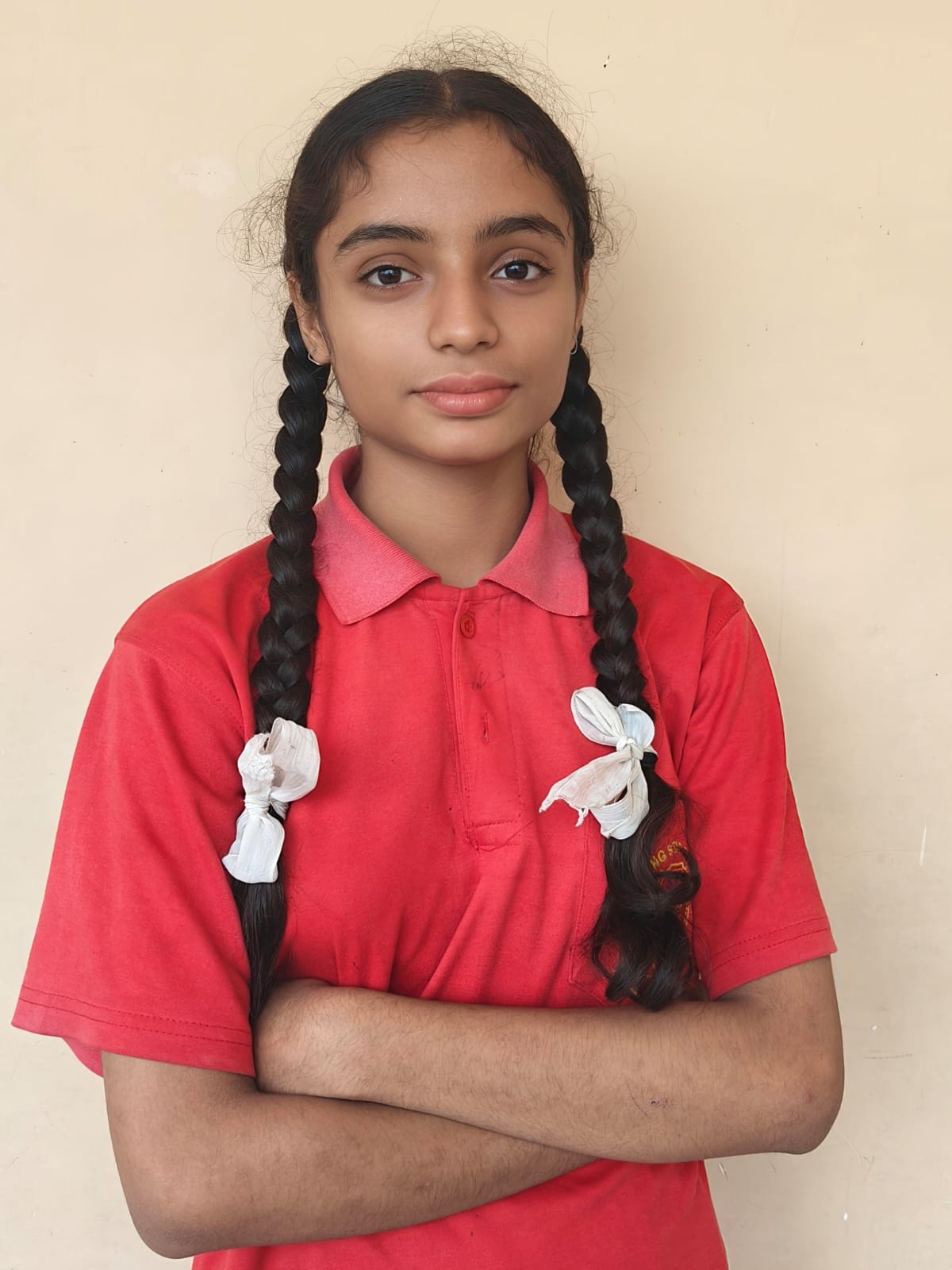
Dimple Papney is a 10th grader at Shining Star School, Ramnagar, Uttarakhand. She is passionate about engaging with local community members and documenting their experiences. She believes that meaningful conversations often reveal valuable insights into sustainability, tradition, and everyday life.


Comments