


The Soil Knew Before I Did
"There is a quote I encountered somewhere along this journey that stopped me cold: if you like a flower, you pluck it — but if you love a flower, you water it."
I remember reading it on some ordinary evening, expecting nothing more than a passing thought, and instead feeling my stomach tighten a little, as though the sentence had reached straight past my eyes and into something I hadn't examined about myself. It wasn't wisdom I could file away and forget. It sat there, uncomfortable, the way a stone sits in a shoe small, but impossible to ignore once you've noticed it. I felt it not as wisdom borrowed from a book, but as a mirror held up to my own story. Because for most of my life, I was a person who liked nature. I genuinely did. I liked the peace of open skies, the kind that made my shoulders drop without my noticing. I liked the quiet that forests carry, a quiet I used to walk into gratefully, like stepping into a cool room after a long day. I liked the feeling of being alone with something vast and unhurried. But liking, I have come to understand and understanding this cost me something is a kind of taking. Loving is something else entirely.
I grew up in Ramnagar, a place that most people would consider a dream close to forests, to rivers, to wild things moving just beyond the edges of ordinary life. Peace was not something I had to travel far to find. It found me, morning after morning, in birdsong I barely registered and air that smelled faintly of earth. And perhaps because it came so easily, I never thought to ask what I owed it in return. I didn't even know the question existed. Nature was simply there, as it had always been: generous, patient, available. I received it like you receive sunlight without thinking about where it comes from or what keeps it going, without a flicker of gratitude, if I'm honest.
Once I went along with my father to a tree plantation drive not out of any particular passion, but out of curiosity, the kind that makes an afternoon feel worth leaving the house for. There were children my age everywhere, a stretch of open land, and small saplings waiting to be given a home on the earth. I was perhaps the most excited person there, but even my excitement was about the newness of the experience, not about what the experience meant. I did not yet know that it meant anything at all. I remember thinking, half-amused, that it looked more like a school outing than anything serious.
photo credits: snehi agarwal
But then I knelt down and put a sapling into the ground. And something very quiet happened, quiet enough that I almost missed it. My hands were in the soil, cool and slightly damp against my palms, and there was this small, stubborn stem leaning against my fingers, waiting. We were told that we were not just placing a plant. We were making a promise. I remember the words landing somewhere below my ribs, an odd, sinking feeling, like the moment you realize a joke wasn't actually a joke. The sapling could not water itself. It could not protect itself from being walked over, from being forgotten. It needed me to come back. Not to pluck it, not to admire it from a distance, but to return to it again and again with intention. For the first time, I felt the ground shift slightly under something in me: I realised although nature was offering me something but I was also being asked to offer something back. I remember standing up afterward and not quite knowing what to do with my hands, or with the strange new weight I was suddenly carrying.
That shift so small, so quiet, so easy to have missed entirely changed everything that came after. As I watched the other children working alongside me at the plantation drive, each one focusing on a different creature, a different element, a different corner of the living world, I began to feel something close to embarrassment at how little I had noticed before. I began to see what I had been missing. Nature is not a backdrop. It is not a mood or an aesthetic or a place you visit when you need to feel calm. It is a web of interdependent lives, each one doing its irreplaceable work, each one quietly affected by whether or not we pay attention. And we had not been paying attention. I had not been paying attention and admitting that to myself, even silently, stung more than I expected it to.
My school deepened this awakening, though not gently. Through on-field campaigns where we engaged directly with local communities and concerned authorities, workshops on the Sustainable Development Goals that lead us to see nature not as backdrop but as foundation, and landmark projects like SETU, which gathers change-makers from schools across the region to work on issues that actually matter, I found myself in rooms with people I never imagined I would meet: mayors, Jal commissioners, government officials who held decisions about the very rivers and soils I had grown up beside. I remember the particular nervousness of those rooms, the way my palms would go slightly damp before I spoke, the way I'd rehearse a sentence three times in my head before saying it aloud, terrified of sounding like a child playing at seriousness. These were not simulations. These were real conversations about real consequences. And they asked something of me that no classroom had ever asked before: not just understanding, but action. I remember leaving those meetings some days feeling lighter, almost proud, and other days feeling the discomfort of realizing how much I still didn't know.

photo credits: snehi agarwal
I began to see the elements of the natural world not as scenery but as stories stories of resilience, of fragility, of systems under pressure that continue anyway. I worked alongside peers who were watching, studying, noticing things I had walked past a hundred times without seeing. Their curiosity became contagious, catching in me the way a yawn does, until I found myself looking twice at things I would once have walked straight past. And slowly, without any single dramatic moment I could point to, the nature I had always liked began to transform into something I genuinely loved.
The difference, I have come to believe, is responsibility. Liking asks nothing of you. Loving demands your presence, your care, your willingness to show up even when there is no immediate reward, even on the days when showing up feels inconvenient or dull. I no longer walk through the world taking the green of it for granted. I notice what is struggling. I notice what is flourishing. I ask, sometimes, standing quite still in the middle of an ordinary walk, what my presence in a space costs and what I can offer in return. The trees I helped plant that day are still growing. I like to think that somewhere in their roots, there is a record of the afternoon I stopped being a visitor to nature and started becoming something closer to a guardian of it. Sometimes, when I pass a struggling sapling somewhere else entirely, I feel an old, familiar tug not guilt exactly, but something close to it, a reminder that I owe more than admiration.
I liked nature once. Now I love it. And love, unlike liking, does not let you look away.
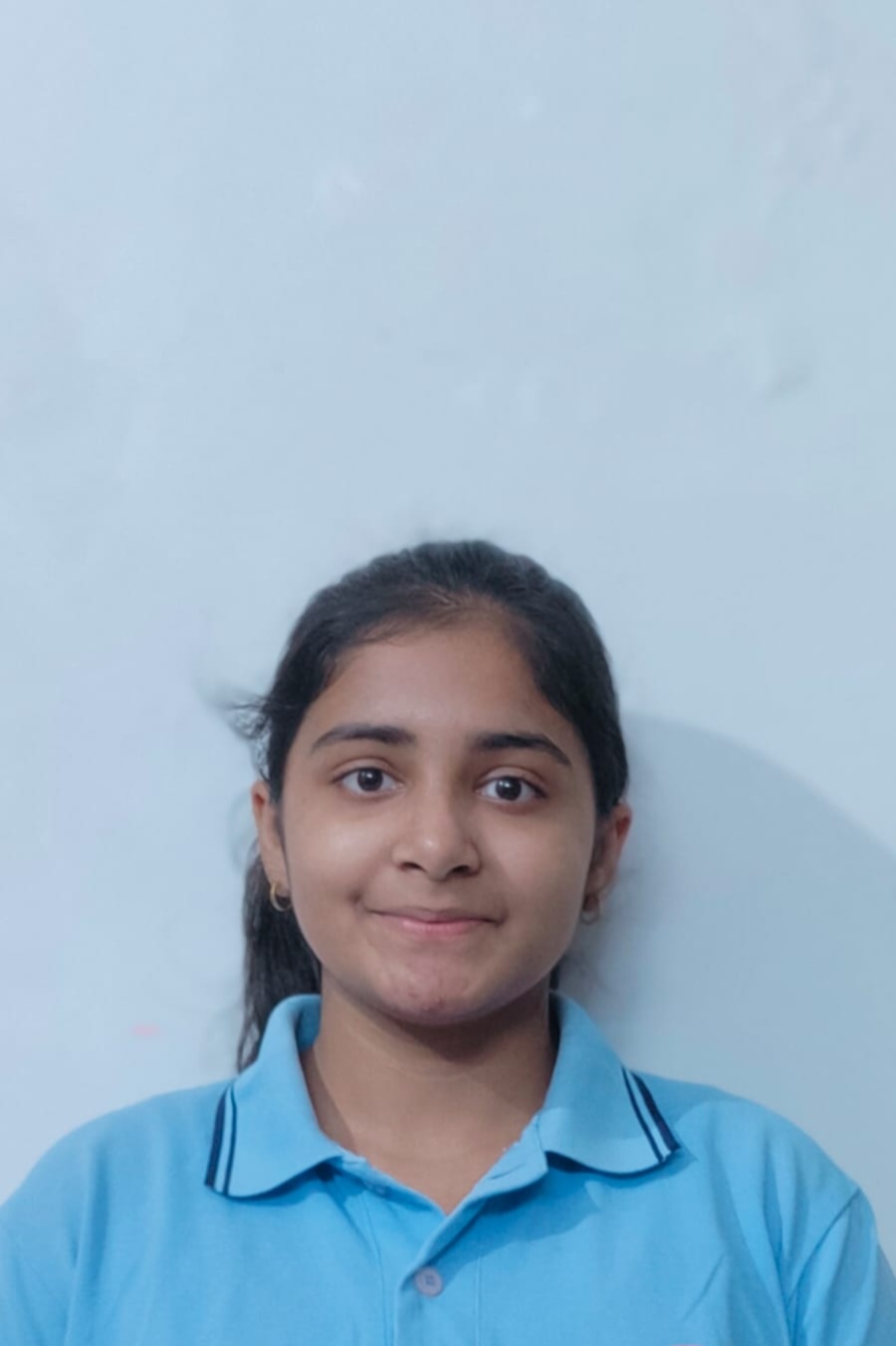
Snehi Agarwal is a sustainability thinker, performer, and explorer of ideas who refuses to be just one thing. A writer by heart, speaker by passion, performer by choice, and a tech enthusiast by curiosity — she loves reading books, writing, speaking on stages, and even acting on them, because for her, every platform is an opportunity to say something that matters. Recognised by the Uttarakhand Government with the Paryavaran Prahari Samman, shortlisted under Inspire Award MANAK, a winner at Avishkar 5.0 by IIM Kashipur, and a Best Pitch Award winner at the Entrepreneurship Challenge at IIT Delhi. Deeply fascinated by AI, technology, and international affairs, she loves diving into new opportunities and challenges worth experiencing.


Comments